أدخلت دولة قطر تحديثات مهمة على اللوائح المنظمة لتملك العقارات من قبل الأجانب، مما يفتح آفاقًا جديدة أمام المستثمرين الدوليين ويعزز مكانة الدولة كواحدة من أبرز أسواق العقارات في المنطقة.
وقد جاءت هذه التعديلات، التي اعتمدها حضرة صاحب السمو الشيخ تميم بن حمد آل ثاني، بهدف استقطاب المزيد من الاستثمارات الأجنبية، وتعزيز الشفافية، ودعم النمو الاقتصادي طويل الأمد لدولة قطر. وبالنسبة للمستثمرين الباحثين عن سوق مستقرة، وبنية تحتية حديثة، وفرص تملك جذابة، فإن هذه التغييرات تستحق الاهتمام.
ما الجديد؟
تم إصدار هذه التحديثات بموجب قرار مجلس الوزراء رقم (21) لسنة 2026، الذي عدّل بعض أحكام قرار مجلس الوزراء رقم (28) لسنة 2020 والمتعلق بتملك غير القطريين للعقارات وحقوق الانتفاع.
ورغم أن قطر رحبت بالاستثمار العقاري الأجنبي منذ عدة سنوات، فإن التعديلات الأخيرة جاءت لتوضيح اللوائح المتعلقة بالتملك بشكل أكبر، وتحسين الإجراءات الإدارية، وتحديد المناطق التي يُسمح لغير القطريين بتملك العقارات فيها.
والهدف بسيط: جعل الاستثمار العقاري في قطر أكثر شفافية وكفاءة وجاذبية للمشترين الدوليين.
مناطق التملك الحر المخصصة للأجانب
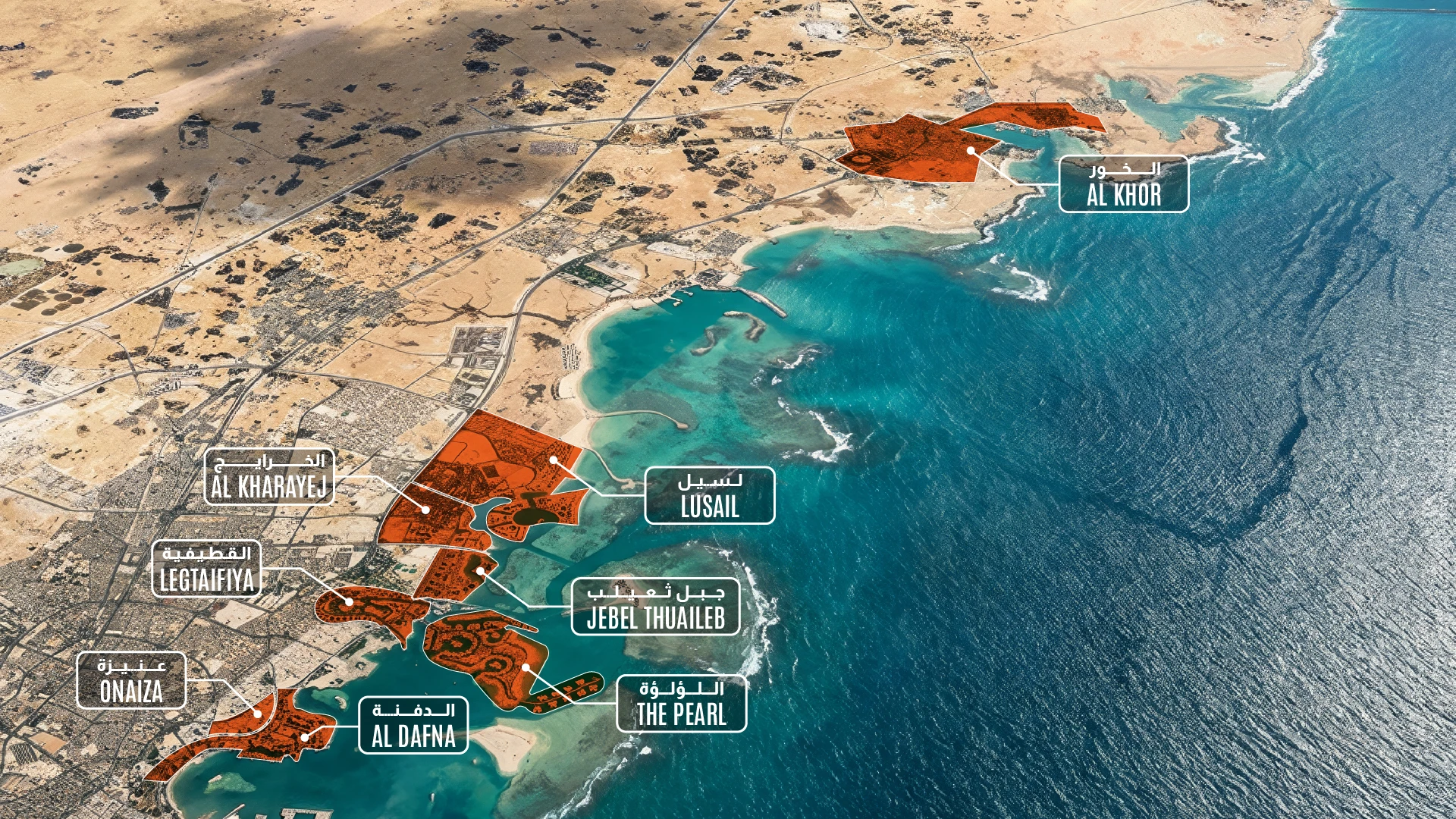
بموجب اللوائح المحدثة، يمكن للمستثمرين الأجانب تملك العقارات بنظام التملك الحر في المناطق التالية:
* الخليج الغربي (منطقة لقطيفية – المنطقة 66)
* جزيرة اللؤلؤة (المنطقة 66)
* منتجع الخور (المنطقة 74)
* المنطقة الإدارية الدفنة (المنطقة 60)
* المنطقة الإدارية الدفنة (المنطقة 61)
* المنطقة الإدارية عنيزة (المنطقة 63)
* مدينة لوسيل (المنطقة 69)
* الخرايج (المنطقة 69)
* جبل ثعيلب (المنطقة 69)
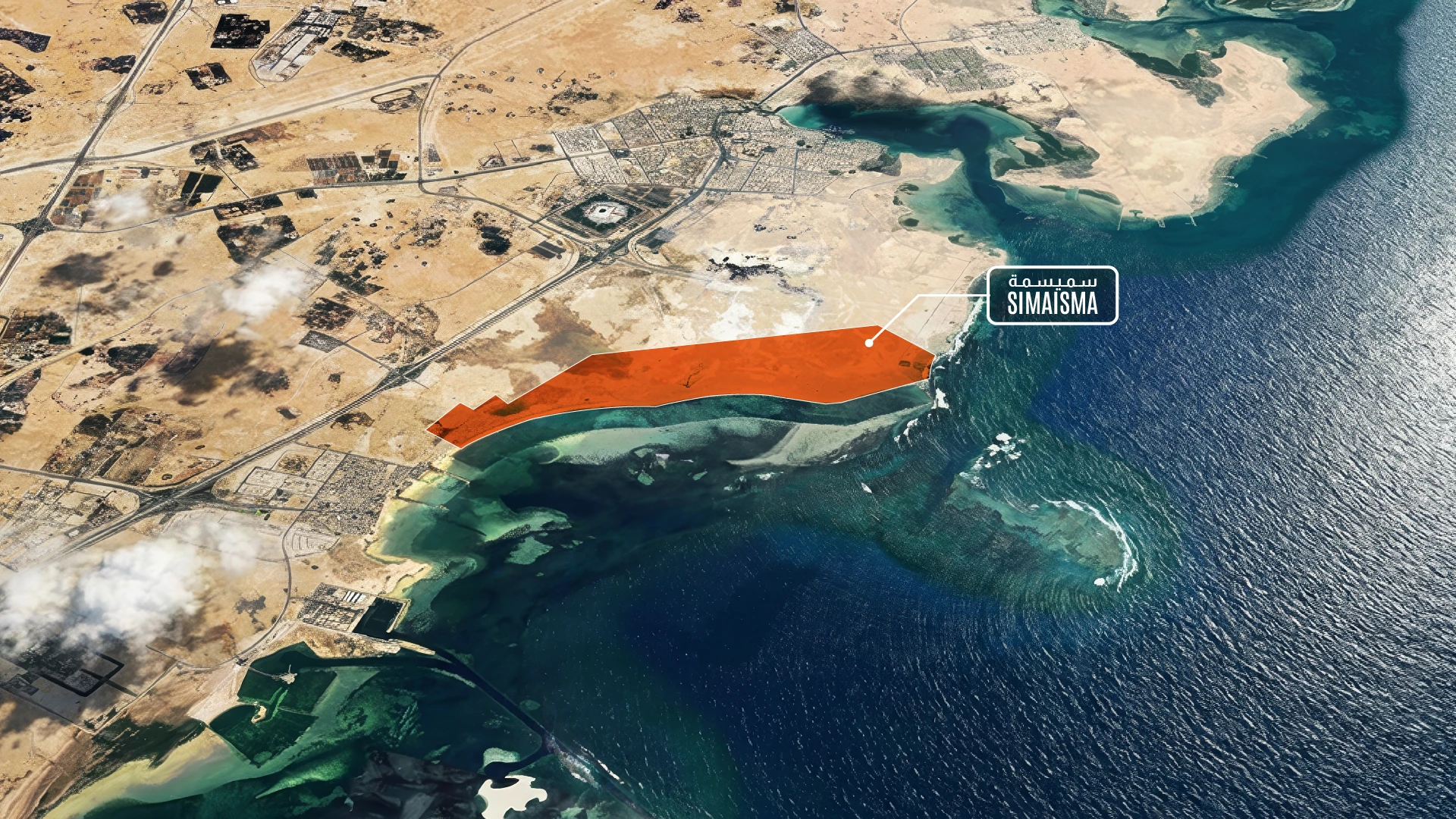
* مشروع منتجع وشاطئ سميسمة (المنطقة 70)
وتضم هذه المناطق بعضًا من أكثر المجتمعات العمرانية رسوخًا في قطر، إلى جانب المناطق التجارية ومناطق التطوير الواعدة.
المناطق المتاحة بحقوق الانتفاع لمدة 99 عامًا
إضافةً إلى مناطق التملك الحر التي تم تحديثها بموجب تعديلات عام 2026، تواصل دولة قطر إتاحة الفرصة للمستثمرين الأجانب للحصول على حقوق الانتفاع لمدة 99 عامًا في عدد من المناطق المحددة. ورغم أن هذه المناطق كانت متاحة بالفعل ضمن الإطار التنظيمي للعقارات في قطر، فإنها لا تزال تمثل جزءًا مهمًا من منظومة الاستثمار العقاري للأجانب في الدولة.
ويتيح حق الانتفاع لمدة 99 عامًا للمستثمرين استخدام العقار وتأجيره ونقله والتصرف فيه بالإرث والاستفادة منه لمدة تصل إلى 99 عامًا، وذلك وفقًا للقوانين واللوائح المعمول بها. ورغم أن ملكية الأرض الأساسية تبقى منفصلة، فإن المدة الطويلة لحق الانتفاع تمنح المستثمرين مرونة كبيرة سواء للاستخدام الشخصي أو لأغراض الاستثمار.
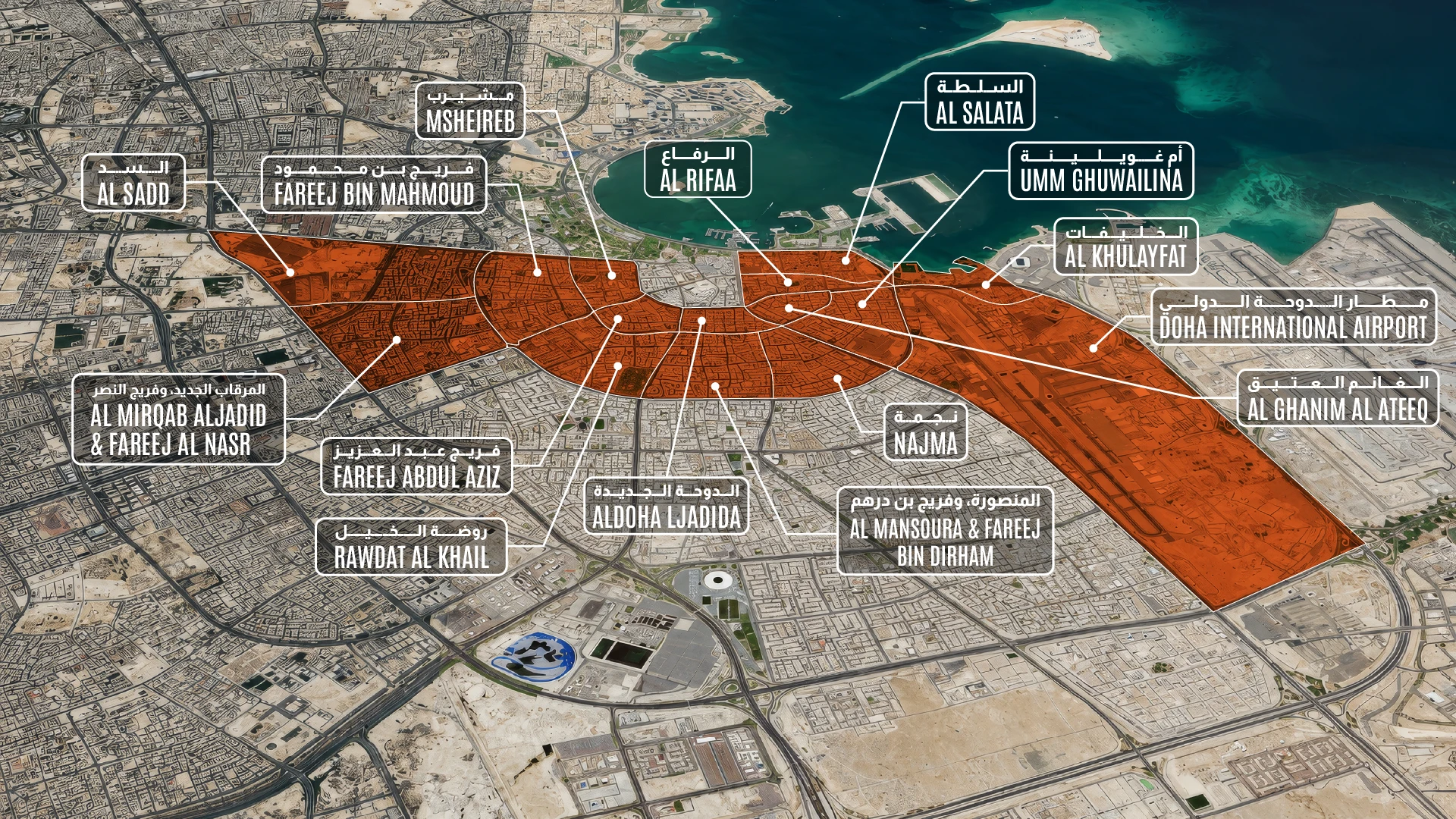
وتشمل المناطق المخصصة لحقوق الانتفاع لمدة 99 عامًا ما يلي:
* مشيرب (المنطقة 13)
* فريج عبد العزيز (المنطقة 14)
* الدوحة الجديدة (المنطقة 15)
* غانم القديم (المنطقة 16)
* الرفاع / الهتمي العتيق (المنطقة 17)
* السلطة (المنطقة 18)
* بن محمود (المنطقة 22)
* روضة الخيل (المنطقة 23)
* المنصورة وبن درهم (المنطقة 25)
* النجمة (المنطقة 26)
* أم غويلينة (المنطقة 27)
* الخليفات (المنطقة 28)
* السد (المنطقة 38)
* المرقاب الجديد / النصر (المنطقة 39)
* منطقة مطار الدوحة الدولي (المنطقة 48)
* مشاريع مختارة ضمن مناطق القصار والدفنة وعنيزة (المناطق 60 و61 و63)، حيث تُطبق حقوق الانتفاع وفقًا للإطار التنظيمي المعتمد.
وتواصل هذه المناطق السكنية والتجارية ومتعددة الاستخدامات، التي تتمتع بتاريخ طويل، جذب المستثمرين بفضل مواقعها الاستراتيجية، وبنيتها التحتية المتطورة، والطلب القوي عليها من السكان والشركات في مختلف أنحاء الدوحة.
ومن المهم الإشارة إلى أن بعض المناطق تضم مشاريع بنظام التملك الحر وأخرى بنظام حق الانتفاع لمدة 99 عامًا في الوقت نفسه. ويعتمد نوع الملكية المتاح على المشروع أو العقار المحدد، لذلك ينبغي على المستثمرين دائمًا التحقق من نوع الملكية المطبق قبل المضي قدمًا في عملية الشراء.
فهم خيارات الملكية المتاحة
يمكن للمستثمرين الأجانب في قطر الاستثمار في القطاع العقاري من خلال هيكلين رئيسيين للملكية، هما:
التملك الحر في مناطق التملك المعتمدة.
حق الانتفاع لمدة 99 عامًا في مناطق الاستثمار المعتمدة.
ويخضع كلا النظامين لأحكام القوانين العقارية القطرية، ويوفران للمستثمرين حقوق ملكية محددة وواضحة، مع تقديم مزايا مختلفة بحسب أهداف المستثمر، واستراتيجيته الاستثمارية، والموقع الذي يفضله.
التملك الحر
يمنح نظام التملك الحر المشتري ملكية كاملة للعقار. ويحق للمالك بيع العقار أو تأجيره أو نقل ملكيته أو توريثه أو رهنه، وذلك وفقًا للقوانين واللوائح المحلية.
حق الانتفاع لمدة 99 عامًا
يتيح حق الانتفاع لمدة 99 عامًا للمستثمرين استخدام العقار وتأجيره ونقله والتصرف فيه بالإرث والاستفادة منه لمدة تصل إلى 99 عامًا، وفقًا للقوانين واللوائح المعمول بها. وبينما تبقى ملكية الأرض الأساسية منفصلة، فإن مدة الانتفاع الطويلة تمنح المستثمرين مرونة كبيرة للاستخدام الشخصي أو لتحقيق أهدافهم الاستثمارية.
ويُعد فهم الفرق بين هذين النظامين أمرًا بالغ الأهمية قبل اتخاذ أي قرار استثماري.
لماذا تُعد هذه التغييرات مهمة؟
لا تقتصر إصلاحات عام 2026 على توسيع فرص التملك العقاري فحسب، بل تهدف أيضًا إلى:
* تعزيز الشفافية في القطاع العقاري.
* تبسيط إجراءات تسجيل الملكية.
* تعزيز حماية المستثمرين.
* زيادة ثقة المشترين الدوليين.
* دعم النمو طويل الأمد للسوق العقارية.
وبالنسبة للمستثمرين الأجانب، فإن هذه التغييرات تعني بيئة استثمارية أكثر تنظيمًا وأكثر ملاءمة للمستثمر.
إطار تنظيمي أكثر قوة
يُعد التركيز على الحوكمة والرقابة أحد الجوانب المهمة الأخرى في هذه الإصلاحات.
وبموجب الإطار التنظيمي المحدث، تتولى إدارة التسجيل العقاري بوزارة العدل الإشراف على تسجيل الملكية، وتسجيل حقوق الانتفاع، وجميع المعاملات العقارية ذات الصلة.
ويسهم ذلك في تبسيط الإجراءات وتوفير قدر أكبر من الوضوح والثقة للمستثمرين الراغبين في دخول السوق العقارية القطرية.
مزايا الإقامة لمالكي العقارات
قد يوفر تملك العقارات في قطر مزايا تتجاوز العائد الاستثماري للعقار نفسه.
وبحسب قيمة العقار ونوعه، قد يكون المستثمرون المؤهلون مستحقين للحصول على مزايا مرتبطة بالإقامة وفقًا للوائح والأنظمة المعمول بها في دولة قطر.
وبالنسبة للعديد من المشترين الدوليين، فإن ذلك يضيف قيمة إضافية إلى تملك العقارات، خاصة لأولئك الذين يخططون للإقامة أو التواجد في الدولة على المدى الطويل.
الإمكانات الاستثمارية
يواصل سوق العقارات في قطر الاستفادة من العديد من العوامل الداعمة للنمو طويل الأمد، من أبرزها:
* استمرار تطوير البنية التحتية.
* مبادرات تنويع الاقتصاد.
* نمو قطاعي السياحة والأعمال.
* تزايد الاستثمارات الدولية.
* دعم الحكومة للمشاريع التنموية الاستراتيجية.
وتواصل هذه العوامل دعم الطلب على الإيجارات وتعزيز نمو قيمة العقارات على المدى الطويل في مختلف المواقع الرئيسية.
فرص سوق الإيجارات
بالنسبة للمستثمرين الذين يركزون على تحقيق دخل من الإيجارات، توفر قطر فرصًا قوية في عدد من المجتمعات السكنية الراسخة.
ولا تزال مناطق مثل اللؤلؤة-قطر، ومدينة لوسيل، والخليج الغربي، والدفنة تحظى بإقبال كبير من المهنيين وكبار التنفيذيين والمقيمين الأجانب، مما يخلق طلبًا مستمرًا على العقارات السكنية عالية الجودة.
ويساهم هذا الطلب في دعم معدلات الإشغال وتعزيز فرص تحقيق دخل إيجاري مجزٍ للمستثمرين.
سميسمة: منطقة جديدة تستحق المتابعة
يُعد مشروع منتجع وشاطئ سميسمة أحد أبرز الإضافات الجديدة ضمن اللوائح المحدثة.
ومن المتوقع أن يتحول المشروع إلى وجهة رئيسية للسياحة والضيافة ونمط الحياة، بما يدعم جهود قطر في توسيع قطاعها السياحي وخلق فرص استثمارية جديدة خارج المناطق الحضرية التقليدية.
وبالنسبة للمستثمرين الذين يبحثون عن مناطق ذات إمكانات نمو مستقبلية، فإن سميسمة تُعد وجهة جديرة بالمتابعة عن كثب.
لماذا تواصل اللؤلؤة ومدينة لوسيل تصدر المشهد؟
من بين جميع مناطق التملك المعتمدة، لا تزال اللؤلؤة-قطر ومدينة لوسيل تستقطبان أعلى مستويات اهتمام المستثمرين.
اللؤلؤة-قطر
* أسلوب حياة فاخر على الواجهة البحرية.
* مجتمع دولي متكامل ومستقر.
* خيارات راقية للتسوق والمطاعم.
* طلب قوي على الإيجارات.
* مشاريع سكنية عالية الجودة.

مدينة لوسيل
* المدينة الذكية الرائدة في قطر.
* بنية تحتية حديثة وشبكات نقل متطورة.
* مشاريع سكنية وتجارية واسعة النطاق.
* إمكانات كبيرة للنمو المستقبلي.
* وجهات رئيسية للترفيه والأعمال.
* وتظل هاتان المنطقتان من أكثر المواقع الاستثمارية جاذبية في دولة قطر.
من هم المستثمرون في قطر؟
* توفر الإصلاحات الأخيرة فرصًا لمجموعة واسعة من المشترين، بما في ذلك:
* المستثمرون الدوليون الساعون إلى تنويع محافظهم الاستثمارية.
* مستثمرو دول مجلس التعاون الخليجي الراغبون في توسيع استثماراتهم الإقليمية.
* مشترو المنازل الباحثون عن أسلوب حياة عصري.
* أصحاب الثروات الكبيرة الباحثون عن الأصول الفاخرة.
* المستثمرون المؤسسيون المهتمون بالفرص التجارية.
شراء العقارات في قطر
* تُعد عملية شراء العقارات في قطر واضحة وسلسة نسبيًا، وتشمل عادةً الخطوات التالية:
* اختيار عقار ضمن منطقة معتمدة للتملك أو حق الانتفاع.
* إجراء الفحص القانوني والمالي النافي.
* توقيع اتفاقية البيع والشراء.
* تسجيل الملكية أو حق الانتفاع لدى الجهات المختصة.
* التقدم بطلب للحصول على المزايا المرتبطة بالإقامة إذا كان المستثمر مؤهلًا.
* ويساعد التعاون مع مستشار عقاري ذي خبرة في ضمان إتمام عملية الشراء بسلاسة وكفاءة.
نظرة مستقبلية
من المتوقع أن يواصل سوق العقارات القطري الاستفادة من الاستثمارات في البنية التحتية، والنمو الاقتصادي، وارتفاع الاهتمام الدولي خلال السنوات المقبلة.
كما يُتوقع أن يسهم توسيع فرص التملك للأجانب، إلى جانب الإطار القانوني الراسخ لحقوق الانتفاع في قطر، في دعم نشاط السوق، وتشجيع المشاريع الجديدة، وتعزيز ثقة المستثمرين في القطاع.
ومع استمرار قطر في تنفيذ خططها التنموية طويلة الأمد، من المتوقع أن يظل القطاع العقاري أحد الركائز الأساسية لمستقبل الاقتصاد الوطني.
اختيار هيكل الملكية المناسب
سواء كان المستثمر يبحث عن التملك الكامل أو حقوق الانتفاع طويلة الأجل، فإن قطر توفر مجموعة متنوعة من الخيارات الاستثمارية العقارية المصممة لتلبية مختلف الأهداف الاستثمارية.
ويساعد فهم الفروق بين هذين النظامين في تمكين المشترين من اتخاذ قرارات مدروسة تستند إلى أهدافهم المالية، والمواقع التي يفضلونها، واستراتيجياتهم الاستثمارية، وخططهم المستقبلية طويلة الأجل.
الخاتمة
تمثل تحديثات عام 2026 الخاصة بلوائح تملك الأجانب للعقارات في قطر خطوة مهمة إلى الأمام بالنسبة للقطاع العقاري في الدولة.
فمن خلال توسيع نطاق فرص التملك الحر، وتعزيز الشفافية، وتقوية الإطار الرقابي والتنظيمي، مع الحفاظ على منظومة متينة لحقوق الانتفاع طويلة الأجل، تواصل قطر توفير بيئة استثمارية أكثر جاذبية للمستثمرين الأجانب.
وسواء كنت تبحث عن دخل إيجاري، أو نمو طويل الأجل في رأس المال، أو مزايا مرتبطة بالإقامة، أو مجرد موطئ قدم في أحد أكثر أسواق الخليج ديناميكية، فإن قطر توفر مجموعة متنامية من الفرص أمام المستثمرين في القطاع العقاري.
هل ترغب في استكشاف فرص الاستثمار العقاري في قطر؟
تواصل مع ستبس للعقارات لمعرفة المزيد حول العقارات المتاحة في اللؤلؤة-قطر، ومدينة لوسيل، والخليج الغربي، وسميسمة، وغيرها من مناطق التملك الحر وحقوق الانتفاع المعتمدة.
الأسئلة الشائعة
1. هل يمكن للأجانب شراء العقارات في قطر؟
نعم. يمكن للمواطنين غير القطريين شراء العقارات في مناطق التملك الحر المعتمدة أو الحصول على حقوق انتفاع لمدة 99 عامًا في مناطق الاستثمار المعتمدة، وذلك وفقًا لقوانين العقارات المعمول بها في دولة قطر.
2. ما الفرق بين التملك الحر وحق الانتفاع لمدة 99 عامًا؟
يمنح التملك الحر المشتري ملكية كاملة للعقار، بما في ذلك حق بيعه أو تأجيره أو نقل ملكيته أو توريثه أو رهنه.
أما حق الانتفاع لمدة 99 عامًا، فيمنح المستثمر حق استخدام العقار والاستفادة منه لمدة طويلة، بينما تبقى ملكية الأرض الأساسية منفصلة.
3. ما هي المناطق التي تسمح بالتملك الحر للأجانب في قطر؟
يمكن للمشترين الأجانب تملك العقارات في مناطق التملك الحر المعتمدة، وتشمل:
* اللؤلؤة-قطر
* مدينة لوسيل
* الخليج الغربي (لقطيفية)
* الدفنة
* عنيزة
* الخرايج
* جبل ثعيلب
* منتجع الخور
* مشروع منتجع وشاطئ سميسمة
4. هل يمكن للأجانب شراء العقارات في أي مكان داخل قطر؟
لا. يقتصر تملك الأجانب على مناطق التملك الحر المعتمدة من الحكومة ومناطق حق الانتفاع المحددة.
5. ما هو حق الانتفاع لمدة 99 عامًا؟
هو حق يمنح المستثمر إمكانية استخدام العقار وتأجيره ونقله وتوريثه والاستفادة منه لمدة تصل إلى 99 عامًا، وذلك وفقًا للقوانين واللوائح المعمول بها.
6. هل يؤهلني شراء عقار في قطر للحصول على الإقامة؟
بحسب قيمة العقار ومدى استيفاء متطلبات الأهلية المنصوص عليها في اللوائح القطرية، قد يكون مالكو العقارات مؤهلين للحصول على مزايا مرتبطة بالإقامة.
7. هل تُعد قطر وجهة جيدة للاستثمار العقاري؟
نعم. تتمتع قطر باقتصاد مستقر، وبنية تحتية حديثة، ومشاريع تنموية مدعومة من الحكومة، وطلب قوي على الإيجارات، وفرص متزايدة للمستثمرين الأجانب، مما يجعلها سوقًا عقارية جاذبة.
8. ما هي أفضل المناطق للاستثمار في العقارات المؤجرة؟
تشمل أبرز المناطق:
اللؤلؤة-قطر
مدينة لوسيل
الخليج الغربي
الدفنة
حيث يستمر الطلب القوي من المهنيين والمقيمين الأجانب على العقارات السكنية.
9. ما هي خطوات شراء عقار في قطر؟
تشمل العملية عادةً:
* اختيار عقار داخل منطقة تملك معتمدة.
* استكمال الفحص القانوني والمالي النافي للجهالة.
* توقيع اتفاقية البيع والشراء.
* تسجيل الملكية أو حق الانتفاع لدى الجهات المختصة.
* التقدم بطلب للحصول على المزايا المرتبطة بالإقامة إذا كان المستثمر مؤهلًا.
10. من هي الجهة المسؤولة عن تسجيل العقارات في قطر؟
تتولى إدارة التسجيل العقاري بوزارة العدل مسؤولية تسجيل الملكية وحقوق الانتفاع والإشراف على المعاملات العقارية ذات الصلة.
11. هل تُعد سميسمة فرصة استثمارية جيدة؟
نعم. تُعد سميسمة إحدى أحدث مناطق التملك الحر المعتمدة، ومن المتوقع أن تصبح وجهة رئيسية للسياحة والضيافة ونمط الحياة، مما يمنحها إمكانات قوية للنمو والاستثمار على المدى الطويل.
12. لماذا تحظى اللؤلؤة-قطر ومدينة لوسيل بشعبية كبيرة بين المستثمرين؟
لأنهما توفران:
مشاريع سكنية فاخرة.
بنية تحتية حديثة.
أسلوب حياة على الواجهة البحرية.
مرافق وخدمات متكاملة.
طلبًا قويًا على الإيجارات.
إمكانات عالية للنمو المستقبلي.
13. هل يمكنني تأجير عقاري في قطر؟
نعم. يمكن لمالكي العقارات في مناطق الاستثمار المعتمدة تأجير عقاراتهم، وذلك وفقًا للقوانين واللوائح المعمول بها.
14. هل يمكنني توريث العقار أو نقل ملكيته؟
نعم. يتيح كل من التملك الحر وحقوق الانتفاع إمكانية توريث العقار أو نقل ملكيته، وذلك وفقًا للإطار القانوني المعمول به في دولة قطر.
15. هل ينبغي الاستعانة بوكالة عقارية عند شراء عقار في قطر؟
يساعد التعاون مع مستشار أو وكالة عقارية ذات خبرة في تحديد الفرص الاستثمارية المناسبة، واستكمال إجراءات الفحص النافي للجهالة، وإدارة عملية الشراء والتسجيل بسلاسة وكفاءة.